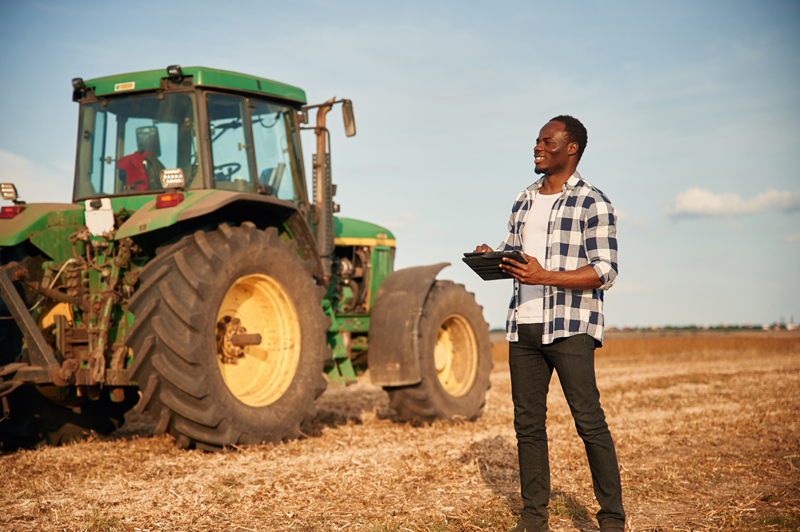
Farming Season Battery Problems and How to Prepare
September marks the start of a busy period on many South African farms. Fields are prepared, irrigation systems are checked, tractors and implements come out of winter storage, and machinery that has been idle for months is expected to perform immediately. It is also the time when battery problems are most likely to appear, often delaying work that needs to happen within a narrow seasonal window.
A flat battery might seem like a small issue, but during planting preparations it can quickly disrupt an entire day’s schedule. Knowing how to reduce the risk of battery failure, recognise the early warning signs and access support quickly can help keep operations moving when every hour counts.
Why battery problems often appear in early spring
During winter, many agricultural vehicles and machines are used less frequently. Even when equipment is stored correctly, batteries naturally lose charge over time. Cold weather also slows the chemical reactions inside a battery, reducing the power available to start an engine.
When spring arrives, tractors, utility vehicles, loaders, harvest support equipment and generators are suddenly required to work every day. Batteries that were already weakened during winter often struggle under this renewed demand. This is why September is an ideal time to inspect batteries before field work reaches full pace.
Check your equipment before the workload increases
A few simple checks before the season begins can prevent unnecessary downtime later.
Start by inspecting battery terminals for corrosion, dirt or loose connections. Clean terminals improve electrical contact and help ensure reliable starting.
Next, check that the battery is securely mounted. Agricultural equipment regularly operates over rough terrain, and excessive vibration can shorten battery life if the battery is not properly secured.
If the battery has removable caps, inspect electrolyte levels where appropriate and top up with distilled water if recommended by the manufacturer. Finally, test the battery’s voltage or have it professionally tested if it is more than a few years old or has shown signs of slow starting.
Know the warning signs
Battery failures rarely happen without warning. Paying attention to small changes in performance gives farmers the opportunity to replace a battery before it fails completely.
Common warning signs include:
- Slow or hesitant engine cranking.
- Dashboard battery warning lights.
- Dimming headlights or work lights.
- Electrical accessories operating inconsistently.
- Needing repeated jump-starts.
- Swollen battery casing or visible damage.
Addressing these issues early is usually far less disruptive than dealing with unexpected breakdowns during planting or spraying operations.
Farming conditions place extra demands on batteries
Agricultural environments are particularly demanding on vehicle batteries. Dust, vibration, heat, moisture and frequent engine starts all place additional stress on the electrical system. Many farms also rely on vehicles that operate over short distances throughout the day. Repeated short trips may not allow the alternator enough time to fully recharge the battery, gradually reducing available capacity over time. Choosing a battery designed for demanding operating conditions and keeping it properly maintained helps improve reliability throughout the season.
Don’t wait until the battery fails
Battery performance generally declines gradually rather than suddenly. If a battery is approaching the end of its service life, replacing it before peak farming activity begins is often the most practical decision.
Preventative replacement reduces the risk of lost productivity during planting, irrigation setup or livestock operations when equipment availability is critical.
Where to get help quickly
When a battery does fail, speed becomes the priority. Waiting days for a replacement is rarely practical during the farming season. Willard Batteries’s nationwide network of authorised retailers and battery specialists can assist with battery testing, replacement advice and professional fitment where available. Whether you’re running a single tractor or managing a fleet of agricultural vehicles, having access to experienced support helps get equipment back into the field sooner.
Planning ahead, testing batteries before spring and knowing where to turn when problems arise can make the transition into the busy farming season far smoother, allowing you to focus on the work that matters most.